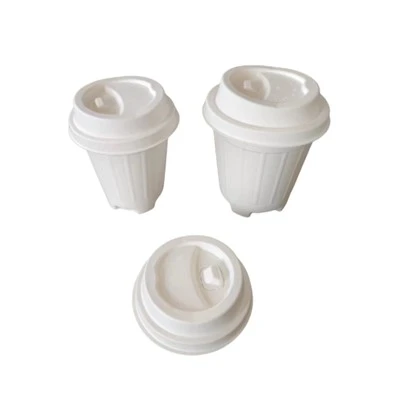
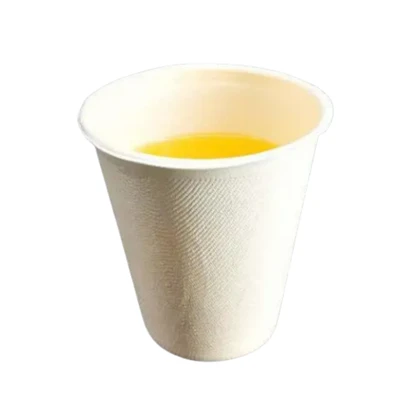
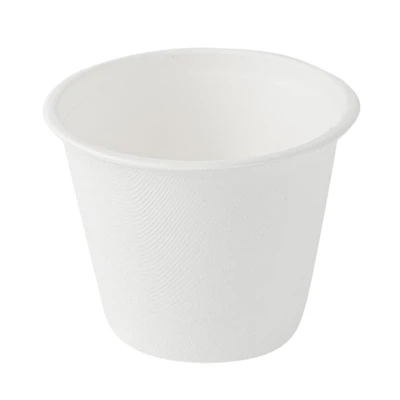
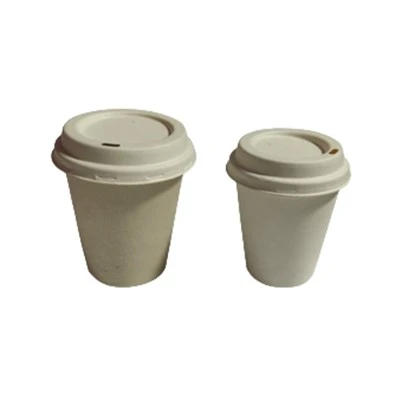
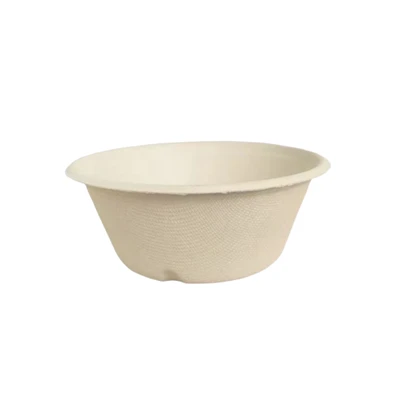
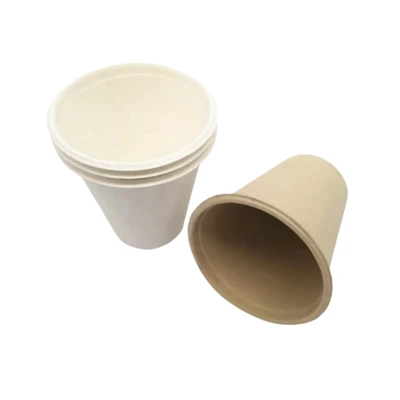
What Is Bagasse Cup


Our eco-friendly bagasse cups are made from sugarcane plant fiber. Cups made of bagasse are a renewable alternative to those made from plastic or paper. Bagasse is a by-product of sugar production. Bagasse is the fiber that remains after extraction of juice from sugarcane.


Why choose us
 
01/

Continuous strong supply capacity

Zhuli Intelligent Control Co., Ltd has four fully intelligent production lines with total 20sets of intelligent production equipments, greatly saving labor costs and improving production efficiency

02/

Customers first service idea
Our service runs throughout the whole production process from the pre-sales, product design, production and after-sales.

03/

Rich Experience

Own mold making department, strong research and development team, providing technical support, troubleshooting, and maintenance services.

04/

One-stop Solution

We are factory, any problems that occur will be quickly shared with the team and solved.


The Benefits of Using Disposable Bagasse cups


Reusable coffee cups have grown in popularity over the past few years. Many popular cafes encourage customers to bring their own containers, but this is not always convenient.
Additionally, reusable coffee cups need to be used up to 250 times to be considered more environmentally friendly than disposable cups. This puts a lot of pressure on consumers to remember their reusable mugs when they leave the house. So what are the benefits of using disposable Bagasse Cup?

Three undeniable advantages
Convenience - Disposable Bagasse Cup offer a level of convenience unmatched by reusable beverage containers.
Wide Variety - Multiple sizes and designs make serving a variety of beverages simple for businesses and enjoyable for consumers.
Disposability - When disposable Bagasse Cup are used, they can be easily recycled or composted.

Compostable disposable Bagasse Cup
Disposable Bagasse Cup are made from natural plant fiber pulp such as bagasse and bamboo pulp, which are tree-free, carbon neutral, eco-friendly, compostable, and biodegradable. In the scenario of climate change and plastic pollution, considering the global plastic restriction, it is a new type of environmentally friendly product with great potential.
It's a more environmentally friendly option than plastic, which takes centuries to break down and degrade into microplastics, especially when they are disposed of as general waste and end up in landfills.
Since disposable Bagasse Cup are made from natural materials, they are biodegradable in nature. They don't do as much harm to the environment as synthetic products—even if they're thrown away as general waste, they degrade hundreds of years faster than any kind of plastic.


6 Benefits of Bagasse For Food Packaging
 

Bagasse is a by-product left over from sugar refining with sugar cane as the material. It can be used as an environment-friendly substitute for plastic and in decomposable food packaging applications to reduce the use of plastic. Originating from agricultural waste, bagasse is a rising star as an environment-friendly material with its advantages of good renewability and low carbon emissions. This article will elaborate the characteristics of bagasse and how it is used as an environment-friendly material.

What is Bagasse
Sugar cane is squeezed for juice to make sugar. The sugar that cannot be crystallized forms molasses for the production of ethanol, and the cellulose, hemicellulose and lignin plant fibers are the final leftovers, which is called bagasse.
Sugar cane is one of the crops with the richest production in the world. According to the World Bank, the global production volume of sugar cane in 2021 reached up to 1.85 billion tons in a production cycle as short as 12-18 months. Hence, a great amount of bagasse is produced, which has great potential in applications.

How to Produce Bagasse Material
The bagasse residue produced from the squeezed sugar cane still has a water content of about 50% and must be dried in the sun to remove unnecessary water before it can be used to make plant fiber dining cur. A physical heating approach is used to melt the fibers and transform them into usable bagasse pellets. The processing method of these bagasse pellets is similar to that of plastic pellets and can thus be used to replace plastic to produce all sorts of environment-friendly food packaging.

Bagasse Advantages and Benefits
Low Carbon Material
Bagasse is a secondary material of the agriculture industry. Unlike fossil-based plastic products that require the exploitation of raw materials and cracking for the production of basic materials, bagasse has GHG emissions significantly lower than plastic, making it a type of low-carbon material.

Biodegradable & Compostable
Bagasse is a natural plant fiber that contains rich organic matter. It can be decomposed back to the earth by microorganisms within months and provide nutrients to the soil to complete the biomass cycle. Bagasse does not impose a burden on the environment.

Cheaper Cost
Sugar cane as material for making sugar has been widely planted since the 19th century. After improvement of the varieties for more than one hundred years, sugar cane is currently characterized by resistance to drought, high temperatures and pests, and can be widely planted in the tropics. Under the fixed global demand for sugar, bagasse as a by-product can provide a stable and sufficient source of material without having to worry about scarcity.

Alternatives to Disposable Tableware
Bagasse is composed of fibers and, like paper, can be polymerized and used as a substitute for disposable plastic cutlery, such as straws, knives, forks and spoons.

Sustainable Packaging Materials
Unlike plastic, for which the exploitation and refining of oil are needed, bagasse originates from natural plants and can be produced continuously through agricultural planting without concerns about material exhaustion. In addition, bagasse can be decomposed through plant photosynthesis and composting to achieve a carbon cycle that helps mitigate climate change.

Enhance Brand Image
Bagasse can be used for composting and is sustainable. It comes from renewable waste and is part of sustainable operations. By applying this environment-friendly material, companies can encourage consumers to support green consumption and improve the image consumers have of the brand. Bagasse can meet the requirements of customers who are ecologically aware.
The raw material of paper, another application of plant fibers, comes from wood and can only be acquired through deforestation. Recycled paper is restricted in pulp content and has limited usage. The current artificial afforestation cannot meet all demands for paper, and may lead to destruction of biodiversity and impact on the livelihood of local people. By contrast, bagasse is acquired from the by-product of sugar cane, which can grow fast and does not require deforestation.

In addition, a great quantity of water is consumed in the paper manufacturing process. Plastic lamination is also needed to make paper water and oil-resistant, and the film will contaminate the environment when it is disposed of after use. No additional plastic lamination is needed for bagasse products to become water and oil-resistant and they can be used for composting after use, which is favorable for the environment.


Why is Sugarcane Bagasse Good for Food Packaging and Cutlery
甘蔗渣奶茶杯
甘蔗渣汤杯
80mm 90mm直径甘蔗渣果汁杯
8oz、12oz 甘蔗渣咖啡杯

A Biodegradable & Compostable Eco-Friendly Solution
The plant-based bagasse can be decomposed back to the earth within months. It provides nutrients and is a biodegradable and compostable material.

Home Compostable
The major compostable material on the market is PLA made from starch. Its ingredients include corn and wheat. However, PLA can only be decomposed speedily in industrial composting which requires temperatures of up to 58°C, while it takes several years to disappear at room temperature. Bagasse can be decomposed naturally in home composting at room temperature (25±5°C) and thus suits regular composting situations.

Sustainable Materials
Petrochemical raw materials are formed over a period of thousands of years at high temperature and pressure in the crust, and making paper requires trees to grow for 7-10 years. Only 12-18 months are needed to harvest sugar cane and bagasse can be produced continuously through agricultural planting. It is a sustainable material.

Cultivating Green Consumerism
Meal boxes and dining cutlery are everyone's daily necessities and using bagasse in them to replace plastic helps to deeply root the concept of green consumption in everyday life, facilitating the reduction of waste and GHG emissions starting from food containers.


Embracing Sustainability: The Advantages of Sugarcane Bagasse Tableware


In today's environmentally conscious world, the demand for sustainable and eco-friendly alternatives to conventional products is on the rise. One such innovative solution is sugarcane bagasse tableware. In this article, we will explore what sugarcane bagasse tableware is, its advantages, and why it's gaining popularity as a greener choice.

What is Sugarcane Bagasse Tableware?
Sugarcane bagasse tableware is a sustainable and biodegradable alternative to traditional plastic and styrofoam dinnerware. It is made from bagasse, which is the fibrous residue left behind after extracting the juice from sugarcane. This agricultural waste material is transformed into a sturdy, lightweight, and versatile material for making plates, bowls, cups, and cutlery.

Advantages of Sugarcane Bagasse Tableware
Environmentally Friendly
Sugarcane bagasse tableware is a great choice for those looking to reduce their carbon footprint. It is biodegradable and compostable, which means it breaks down naturally, returning nutrients to the soil, without harming the environment.

Renewable Resource
Sugarcane is a rapidly renewable resource that grows quickly and requires minimal resources to cultivate. This makes bagasse tableware a sustainable alternative compared to products made from fossil fuels.

Non-Toxic and Food Safe
Bagasse tableware is free from harmful chemicals, making it a safe choice for serving food. It doesn't leach toxins or affect the taste of the food, ensuring a healthy dining experience.

Sturdy and Versatile
Despite being lightweight, sugarcane bagasse tableware is sturdy and can withstand hot and cold temperatures, making it suitable for a wide range of dishes, from hot soups to cold salads.


What is the Composition of Bagasse?
 

Bagasse is a kind of plant fiber. It is the dried pulpy fibrous material remaining after crushing sugarcane to extract its juice during industrial processing. Bagasse was previously used as a source of fuel or cellulose in animal feed, but now is more used in tableware packaging, which is eco-friendly to the earth's environmental protection.
The water content of sugarcane is relatively high, reaching 50%, there are 2% sugar, and 48% fiber. These fibers are basically composed of cellulose and hemicellulose, and their chemical composition analysis:

  • Cellulose: 45–55%
  • Hemicellulose: 20-25%
  • Lignin: 18-24%
  • Ash content: 1–4%
  • Wax: <1%
80mm 90mm直径甘蔗渣果汁杯

Bagasse Packaging: Uses and Advantages of Bagasse Tablewares as Packaging Materials


甘蔗渣汤杯

Bagasse has been increasingly used in the field of environmental protection, more people realize that eco-friendly packaging alternatives, this is where bagasse coming into play, bagasse has become a trendsetter, since it is a renewable resource material are perfect substitutes for disposable cups, plates, bowls and takeaway containers because of the following significate advantages:
100% biological materials, without any chemical compounds, can also be waterproof and oil-proof.
Suitable for temperatures from -25°C to 220°C, therefore it is suitable for microwave and freezer compartments.
Sturdy and durable, this fiber material has higher strength and durability than polystyrene and paper made products.
Outstanding insulation performance, it ensures that the content stays warm for a longer period of time than the traditional variant.
It will not degrade prematurely, only when exposed to the correct composting conditions.
Bagasse is a 100% biological material, which is completely degradable and completely compostable. Under commercial composting conditions, it takes about 45-60 days to compost to be degradable. It is a perfect substitute for eco-friendly packaging materials.


Are Bagasse Cups Good Choice for Beverage Packaging?


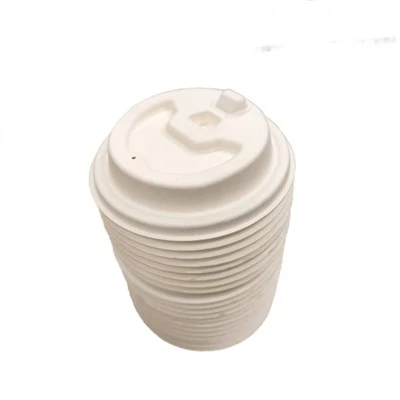
Bagasse cups are made from a renewable resource. This product can be made from plant-based materials rather than using plastics or packing paper. Bagasse is the waste matter that results from sugarcane processing. The juice is removed from the original plant through pulping, and the fiber remains are regarded as Bagasse. Sugarcane bagasse is a non-wood fiber. It's flexible and lightweight. The great thing about this product is the quality of raw materials used in trays production. It is not contaminated with chemical additives, dyes, and adhesives.

Benefits

  • Designed to be 100% recyclable when finished
  • Designed to be 100% compostable and biodegradable
  • Maximum stiffness and durability. Able to withstand the rigors of daily use in an outdoor environment.
  • You can use a bagasse tray in cooling and warming food materials either in the refrigerator and oven.
  • Able to withstand water and grease stains.

Features

  • Bagasse cups are made from a sturdier, more durable material than typical paper or plastic cups.
  • Their thermal conductivity makes them ideal for keeping foods warm and moist.
  • Highly resistant and able to withstand temperatures up to 95° Celsius
  • Doesn't break down like other compost materials. It is only after several weeks of exposure to the elements that this material begins to decompose.

The manufacturing process of Bagasse Cups
The process you can use to manufacture bagasse cups is listed below:

  • Soaking the bagasse pulp board and pumping through a hydraulic press. Then, it goes into a mixing tank and will add water and oil in a formulator, and later it goes on to a forming machine, which dewaters the pulp.
  • Forming is converting an intermediate product (made out of pulp or paper) into a finished product. Forming is used to cool and solidify the pulp. The process involves loading the paper into either heated or cooled molds (or presses) and then removing the product from the mold.
  • Steam-assisted drying is an intensive method that utilizes steam for drying. It can minimize the amount of time and energy spent on drying, allowing for a more efficient process to enhance environmental sustainability.
  • A precision machining center takes out the product from the machine. The product is then moved into a trimming station, where it's carefully trimmed and sterilized for quality assurance.
  • Now the product is ready for shipping or storage.

Bagasse Cups Specifications
Bagasse cup is available in all desired sizes depending upon your needs. They are usually available in small, medium, and large sizes.

Different Volume Bagasse Cups
The multiple volume are designed to be used with Bagasse Cups. It can hold cold or hot beverage.

Color Options
Bagasse cups is available in two color, white &brown. You can choose the color depending upon your needs or product requirement.


Our Factory


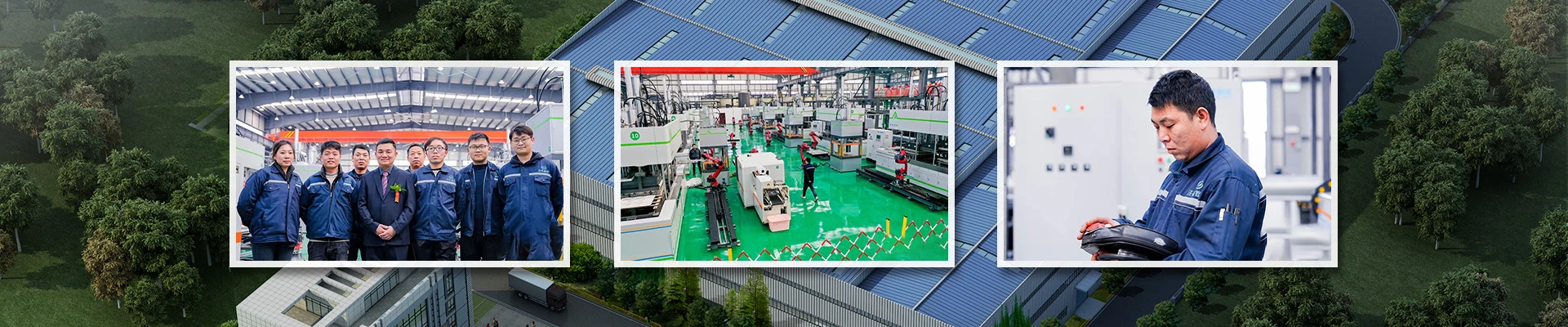
At present, Zhuli Intelligent Control Co.Ltd has four highly intelligent production lines with total 20 sets of intelligent production equipments, the annual production capacity of 10000 tons can be achieved. It includes forming machines, rail robot, cutting machine, inspection and packaging machine, AGV intelligent handling car, etc. There is no direct contact with the human body during the production process to ensure the products safer and healthier.


FAQ


Q: Are bagasse products safe?

A: Are sugarcane bagasse products sturdy? Yes, sugarcane products are much sturdier than disposable paper or plastic products. They're also leakproof and great for oily or greasy foods. While plastic and foam products are flimsy and can release toxic chemicals, sugarcane products are 100% food safe.

Q: Are bagasse products sturdy?

A: In addition to being lightweight, bagasse plates are known for their natural sturdiness and durability. They can withstand hot and cold temperatures without warping or losing their shape.

Q: What is bagasse used for?

A: Bagasse is commonly used as a fuel in cogeneration to produce steam and generate electricity. In this process, sugar cane bagasse ash (SCBA) remains as the final waste in the sugar production chain.

Q: Can you microwave bagasse products?

A: Bagasse looks, feels, and works good.
So, you can put this stuff in the freezer, microwave or oven if you like. Bagasse is not only gluten free but also water repellent and grease-proof, so you can use it for whatever hot or cold, oily or saucy dishes you like.

Q: How much does bagasse cost?

A: Please note that overflow bagasse are sold in different prices: bagasse, in pressed square of 60*60*60cm, is 40.49USD/ton, and in the bulk form it is 16.20 to 19.44USD/ton. For pellet making, the bulk bagasse are good enough for us.

Q: How long does bagasse take to decompose?

A: 60-90 days
Bagasse is 100% compostable and it biodegrades in 60-90 days. Through the use of this product, you are contributing to a sustainable planet. Bagasse is a tree-free readily renewable resource and provides a superior alternative to petroleum derived products.

Q: Can bagasse replace plastic?

A: Overall, biodegradable plates made from Bagasse pulp are a promising alternative to traditional plastic plates. They are environmentally friendly, safe for human health, and cost-effective to produce.

Q: What is the shelf life of bagasse?

A: Bagasse products made from non-wood fibers, have no maximum shelf life. Our PLA products should be stored in a cool dry area to achieve maximum life expectancy 2 + years.

Q: Can you bake with bagasse container?

A: Bagasse products can tolerate heat upto 200 F. So, they are oven safe ONLY up to 200 F. We do not recommend that Bagasse/sugarcane products are to be used in ovens with extremely hot temperature.

Q: What are the advantages and disadvantages of bagasse plates?

A: Bagasse plates are compostable
Bagasse plates are the best compostable plates. Plastic plate material is Styrofoam. The main drawback of styrofoam is that it is really difficult to degrades. Plastic plates will take up to 400 years to degrade, it is bad for environmental sustainability.

Q: Why is bagasse better than plastic?

A: Plastic waste is a major contributor to landfill and ocean pollution. It does not biodegrade, and single-use plastic products often end up in the environment, where they can harm wildlife, marine life and ecosystems. Bagasse, on the other hand, is biodegradable and does not contribute to landfill or ocean pollution.

Q: How do you dispose of bagasse plates?

A: Since the products are made from sugar cane, they can be disposed of in the organic waste bin in a sustainable and environmentally friendly manner. If you have a garden, you can also compost the products yourself. Within 8 weeks, the bagasse tableware produces humus, which you can use as a basis for new plants.

Q: Where can we find bagasse?

A: Bagasse is the pulpy material that is left after the sugarcane has been processed and squeezed out of its juice. You can probably see these in markets where local vendors sell fresh sugarcane juice.

Q: Are bagasse plates recyclable?

A: Bagasse plates are the ultimate fast food packaging option for those looking for high quality, recyclable, biodegradable and microwave-friendly materials to provide the best takeaway service.

Q: Is bagasse bad for the environment?

A: Large scale sugarcane bagasse storage in uncovered stockpiles has the potential to result in adverse impacts on the environment and surrounding communities through hazards associated with nuisance dust, groundwater seepage, spontaneous combustion and generation of contaminated leachates.

Q: Is bagasse flammable?

A: Bagasse, the fibrous matter that remains after the extraction process from sugarcane, is still a valuable resource to the Sugar Milling Industry, since it may be used to generate electricity or as a building material. However, it is vulnerable to spontaneous combustion during storage.

Q: What is the best use of bagasse?

A: Bagasse is suitable for both hot and cold products, making it very useful for food packaging and tableware. Additionally, it can be put in the freezer and the microwave. It's water-resistant and suitable for greasy foods and hot applications (up to 120℃).

Q: Is bagasse waterproof?

A: The fibrous nature of bagasse creates a network structure that helps to prevent water from easily seeping through. However, it is important to note that while sugarcane bagasse products exhibit water resistance, they are not completely waterproof.

Q: Is bagasse a bamboo?

A: Bagasse mulch is a byproduct of sugarcane plant stalks after harvest. Like Bagasse, bamboo mulch is formed after juice has been removed from the sugarcane or bamboo stalk, and is a product that would traditionally be thrown out and regarded as waste.

As one of the leading bagasse cup manufacturers and suppliers in China, we warmly welcome you to wholesale discount bagasse cup in stock here from our factory. All customized products are with high quality and low price.

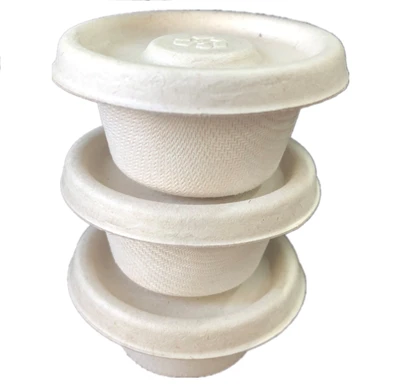
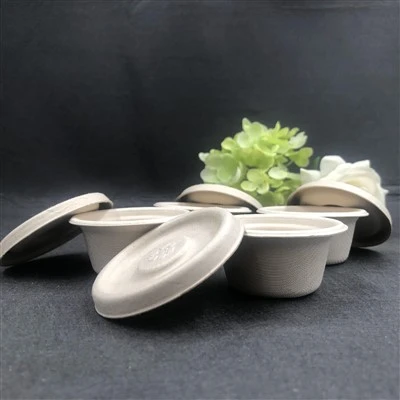
sugarcane disposable plate, environmental protection, biodegradable sauce cup