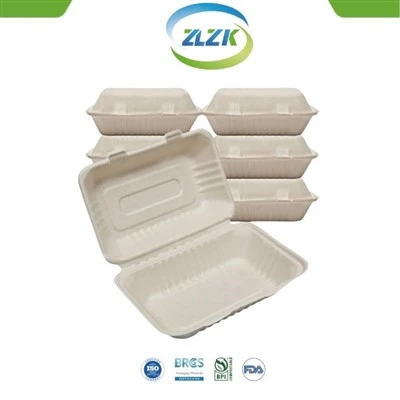
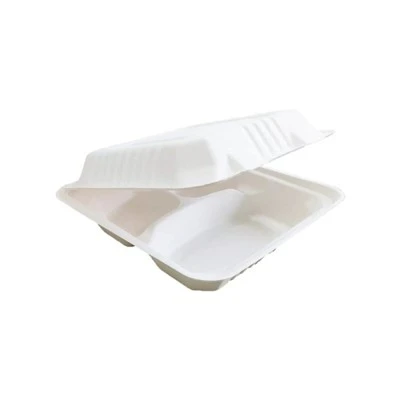
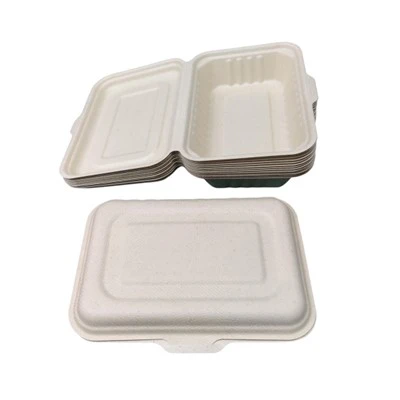
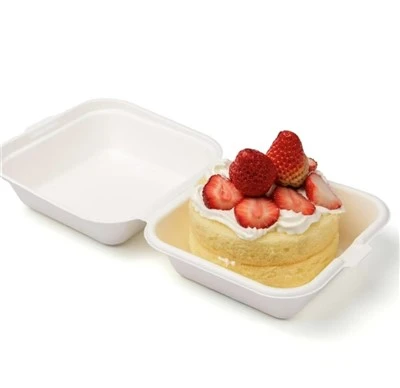
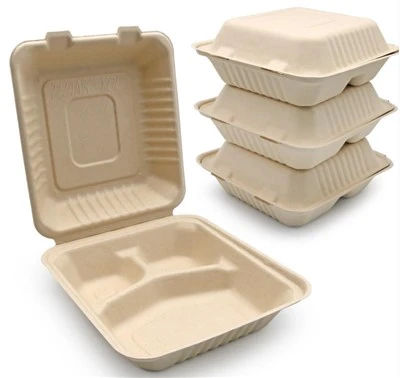
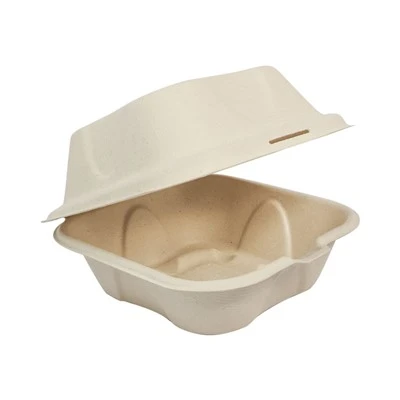
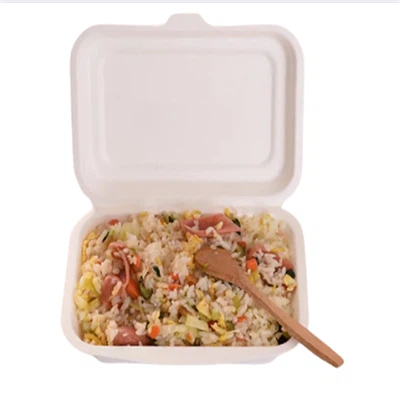
What Is a Bagasse Box?


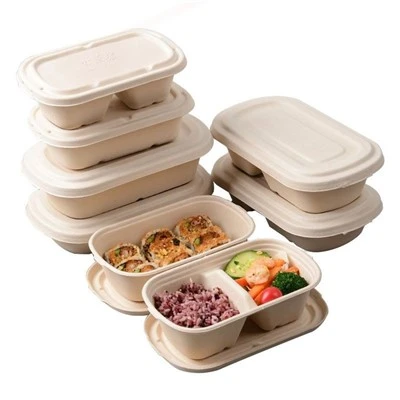
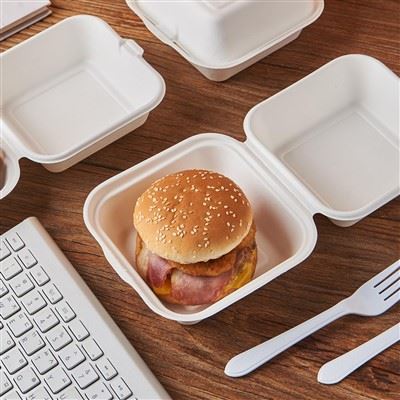
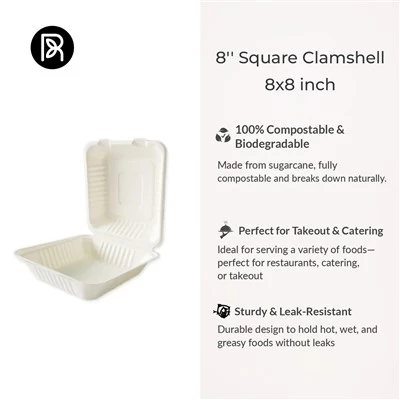
Bagasse boxes are food containers made from bagasse, a byproduct of the sugarcane production process. Sugarcane bagasse is a natural material, completely biodegradable in the environment. Therefore, bagasse boxes are considered an environmentally friendly solution, contributing to reducing plastic waste.


Why choose us
 
01/

Stable quality control system
Zhuli Intelligent Control Co.Ltd has four highly intelligent production lines with total sets of intelligent production equipments.

02/

Customers first service idea
Our service runs throughout the whole production process from the pre-sales, product design, production and after-sales.

03/

Rich Experience
Providing technical support, troubleshooting, and maintenance services.

04/

One-stop Solution
Support to customers to ensure a smooth transaction.


First 123 Last 1/3
Advantages of Bagasse Boxes


Bagasse boxes are made from materials that are biodegradable in a short time and do not pollute the environment. This is in contrast to conventional plastic and foam boxes, which take hundreds of years to decompose, causing widespread plastic waste. Zhuli has compiled three outstanding advantages of bagasse boxes as follows:

Environmentally friendly
Bagasse boxes are made from bagasse, an agricultural waste product available in many parts of the world. Bagasse is an abundant source of raw materials that does not require much land, water, and energy to produce.
Bagasse boxes are completely biodegradable in the environment. The decomposition time of a bagasse box is only about 45-60 days, much faster than conventional plastic and foam packaging, which can take hundreds of years to decompose.

Safe for health
Sugarcane bagasse is a natural material and does not contain toxic substances. Therefore, bagasse boxes are safe for users' health.
Bagasse boxes are manufactured using modern technology, ensuring no toxic substances are produced when storing food. Bagasse boxes can be used in the microwave at 250 degrees Celsius and the refrigerator, without affecting food quality.

High aesthetic value
Bagasse boxes come in a variety of designs and sizes, meeting the needs of many customers.
The box has the natural color of sugarcane bagasse, bringing a friendly and close feeling. In addition, the business logo can be printed on the box, helping to promote the brand effectively.


Production Process of Bagasse boxes
 

Bagasse boxes are made from the main ingredient which is bagasse. Dry bagasse is composed of 45% cellulose, 28% hemicellulose, 20% lignin, 5% sugar, 1% minerals and 2% ash. Sugarcane bagasse has a similar composition to wood, except for its high moisture content. Bagasse is collected from sugarcane factories, then cleaned and ground into powder.
To be able to create quality food containers from sugarcane bagasse, people will follow the following process:

Check ingredients
After being transferred to the factory, bagasse will be checked for quality, ensuring cleanliness and not being too changed by microorganisms.

Process into powder
After quality inspection, bagasse will be processed into powder through hydraulic crushing and autoclaving at high temperatures and pressure.

Press to create a box shape
Sugarcane bagasse powder, after soaking and defibering, will be put into the box-forming process. This process is carried out on a press with shaping molds. The press will apply pressure to the bagasse liquid, helping the fibers bond together to form a box.

Cut edges and package
After pressing and shaping the bagasse box, the excess material will be cut off and quality checking. After that, the box will be put into the packaging stage for preservation and transportation.

Bagasse boxes are increasingly popular in the world. With many outstanding advantages, bagasse boxes promise to completely replace conventional plastic and foam boxes in the future.


Application of Bagasse Box
Bagasse Hinged Box
Bagasse Lunch Box
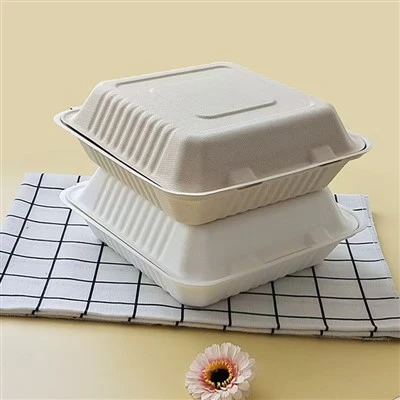
Bagasse Square Box
Bagasse Rectangle Box

Bagasse, the fibrous residue left after sugarcane stalks are crushed to extract their juice, has several applications across different industries, one of which is the production of bagasse boxes. These boxes are eco-friendly alternatives to traditional cardboard or plastic packaging materials.

Here are some key applications of bagasse boxes:
Sustainable Packaging: Bagasse boxes are biodegradable and compostable, making them an excellent choice for companies looking to reduce their environmental footprint and meet growing consumer demand for sustainable products.
Food Service Industry: Due to their durability and resistance to moisture, bagasse boxes are often used for packaging food items such as takeaway meals, bakery products, and snacks. Their non-toxic nature also makes them suitable for storing and transporting food.
Retail and E-commerce: Retailers and online stores utilize bagasse boxes for shipping goods, especially fragile items that require extra protection during transit. The boxes can be customized with logos and branding, offering an opportunity for marketing.
Agriculture: Bagasse boxes can be used in the agriculture sector for packaging seeds, fertilizers, and other farming supplies. Their natural origins make them ideal for organic farming operations.
Horticulture: For transporting plants and flowers, bagasse boxes provide a strong yet breathable option that can help maintain the health of the horticultural products during transit.


Bagasse Rectangle Box


Some Notes When Using Bagasse Boxes

Bagasse boxes are an environmentally friendly product that many people choose to use. However, to ensure safety for health and the environment, when using bagasse boxes, the following points should be noted:
Choose to buy bags of bagasse with clear origin and good quality
Users need to choose a bagasse box with clear origin, good quality, produced from natural materials and does not contain toxic chemicals.

Some signs to recognize quality bagasse boxes:
The box has a natural color and no strange smell.
The box has good toughness and elasticity and does not tear or break upon slight impact.
The box is rapidly biodegradable.
Users should avoid buying boxes of bagasse that are too cheap and of unclear origin. These boxes may be made from poor-quality materials, contain toxic chemicals, and affect users' health.


How is Sugarcane Fiber Produced?


What is Sugarcane Fiber? Introducing Bagasse
Sugarcane fiber is also called sugarcane bagasse or just bagasse. It's the fibrous part of a sugarcane stalk that's left over after extracting the juice. Often this part of the sugarcane is discarded, incinerated or used as a fuel source for sugar mills.
Transforming sugarcane stalks into products is giving them a new life as raw materials. Because it uses a non-edible byproduct of a food production, this material is considered an extremely renewable resource.
A variety of different products can be produced from bagasse, including paper products, paper packaging products and even cups and bowls.
The process of converting raw sugarcane into a sustainable product is much more straightforward than you might think.
Step One: Production starts by extracting all the juice and nutritional components from the harvested sugarcane stalks. Only the bagasse fibers are left remaining after the extraction.
Step Two: Next the fibers are finely blended with water. This process creates a pulp with a consistency similar to wood pulp.
Step Three: Pressure and heat is added to transform and mold the pulp into a variety of different products.

When analyzed, the plant polymer makeup of bagasse is as follows

  • 45%-55% Cellulose
  • 20%-25% Hemicellulose
  • 18%-25% Lignin (a complex organic polymer)
  • 1%-4% Ash
  • Extra Waxes <1%
  • This material makeup creates a versatile, eco-friendly plant material that has a wide variety of uses.


What Are The Environmental Benefits of Sugarcane Fiber?
 

Twenty million trees are cut down every single year just to manufacture paper cups. Most of those cups are coated in polyethylene, a derivative of fossil fuels. What's worse, one single paper cup takes longer than 20 years to break down in a landfill.

Additionally, around 40% of the wood that we harvest is used for commercial and industrial applications. This overuse of wood leads to biodiversity loss, deforestation, water pollution and contributes to greenhouse gas emissions.

By providing an alternative to tree-based paper products, sugarcane fiber presents immense potential.
Eco-friendly materials possess three characteristics: They're renewable, biodegradable, and compostable. Sugarcane fiber is all three.

Renewable - Around 1.2 billion tons of sugarcane are produced annually. From this, 100 million tons of bagasse are created each year. While some of this bagasse is burned as biofuel, much is discarded. Bagasse packaging production finds a new purpose for this agricultural byproduct that would otherwise have been disposed of reducing waste and supporting farmers.

Biodegradable - We wish that all products ended up in local composting facilities but the reality is they often do not. It's essential to plan for the reality of products ending up in landfills and on the side of the road. Biodegradability ensures that a product can break down on its own over time. Sugarcane fiber can biodegrade within 30 to 90 days.

Compostable - In commercial composting facilities, post consumer sugarcane products can break down even faster. In as little as 60 days, bagasse can be composted entirely. When composted, bagasse turns into a nutrient-rich fertilizer of nitrogen, potassium, phosphorus, and calcium.

Sugarcane fiber is now prominent in the ethical material sphere, and it's being used in several different industries and products.


How Does Sugarcane Fiber Compare to Alternative Packaging?
Bagasse Takeaway Clamshell Box
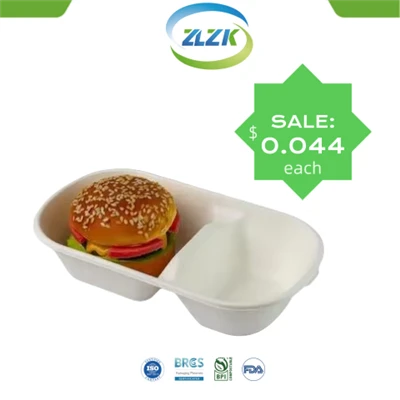
Bagasse Burger Box
Bagasse Lunch Box
Bagasse Square Box

Sugarcane fiber is an excellent replacement for paper products, as well as, Styrofoam and plastic packages.
Styrofoam is a known environmental hazard, and it presents some human health hazards, too. It takes 500 years or more to break down and consumes 30% of the space in every landfill. Moreover, 20% of Styrofoam doesn't end up in a landfill at all, instead polluting our oceans and littering our ground.
Despite legislation in several states banning polystyrene foam, its popularity persists. Its acceptance is mostly due to the fact that it's lightweight and cost effective and can maintain internal temperature.
Sugarcane fiber products present a comparable and affordable alternative to foam and paper products in the food packaging world. They also boast a wide range of other benefits:

  • Tolerant of high temperatures (up to 200°F)
  • Grease and water resistant
  • Durable
  • Freezer safe
  • High insulation properties (internal temperature maintenance)

Some studies suggest that fruits and vegetables stored in sugarcane fiber packaging have longer shelf lives. Because bagasse fiber is highly porous, it also absorbs extra moisture and promotes breathability and a drier environment for produce.
We've taken some additional steps with our sugarcane fiber NoTree Hot Cups to add durability and prevent leaks including adding a compostable corn-based PLA lining.
We also offer our cups with compostable plant-based lids. Too often you'll find eco-friendly, biodegradable cups with conventional plastic lids. This can disrupt and contaminate collection of compostables, as well as confuse consumers.
Our sugarcane fiber products perform as well as wood fiber products, and are produced to FDA food guidelines. The advantages are clear when you compare bagasse to alternatives such as paper, wood pulp fiber, Styrofoam, and petroleum-based plastics.
Sugarcane fiber packaging is a sustainable and environmentally friendly alternative that is durable, insulating, and impervious to high temperatures. Head to head, it matches up on the must-haves, and it's cost effective too.


Everything You Need to Know About Bagasse use in Food Packaging
 

While there probably isn't going to be an alternative to single-use packaging anytime soon, the type of materials used to manufacture these items can make all the difference.
It's also true that more people are aware of eco-friendly packaging alternatives these days and are trying to incorporate better choices into their own lives and lifestyles. Because of this, it's up to businesses to seek better options to cater to consumer needs and expectations.

The main concern is the use of Styrofoam, plastics and polystyrene, which systematically impact the environment long-term and so investing in biodegradable and compostable alternatives, with less impact on the earth, is the right approach to take.
This is where Bagasse comes into play. Bagasse is vastly becoming a trendsetter already, as it's a renewable resource material and the perfect alternative for disposable cups, plates, and bowls and takeaway containers since it's much safer for the environment.
Here we are going to explain a little more about this material, how it is produced as well as highlight the advantages of using it as opposed to traditional food packaging materials.

What is Bagasse?
Bagasse comes from sugarcane, once stalks are harvested, they are pressed to extract their juices, and these juices are then processed and turned into sugar. During this process, a dry fibrous substance is left behind. A heat source and pressure are then used to mould this substance into a wide range of food packaging items such as Bagasse takeaway boxes, tableware, plates and bowls.

Bagasse food packaging products are great because not only are they aesthetically pleasing, they do not leave any residue, strong smells or taste behind, unlike many other materials. This means that food and drink consumed from Bagasse packaging have no lasting aroma that could impact the taste of its contents.
Being fully compostable and biodegradable, Bagasse food packaging has barely any impact on the earth, and it's regarded as an all-round environmentally friendly product. Its manufacturing process is also more sustainable since it requires very little energy to produce.

Here are some interesting facts about this sustainable food packaging material:
Sugarcanes
Sugarcane is found in tropical climates since this is where it thrives, it belongs to a family of sweet grasses, and the plant can grow up to around 5 meters tall, and the stems can have a diameter of 4.5cm. Sugarcanes are a highly popular resource used worldwide, for the production and manufacturing process of retail sugar. The harvesting of around 100 tons of sugarcane can generate approximately 10 tons of sugar plus 34 tons of Bagasse. The Bagasse would normally be considered as the waste material and burned, but the creation of Bagasse packaging increases its value, as it gets generated into eco-friendly packaging products instead.
Sustainability
Sugarcane is a renewable resource which has very little impact on the environment since it requires no trees to be cut down, thus Bagasse (the bi-product of sugarcane) is also sustainable because nothing extra is needed to create the food packaging products using this material. When you consider the manufacturing process with regards to paper and wood, it has a remarkable difference, since no trees and cultivation areas are required for the manufacturing process, it also requires significantly less energy for production too.
Since Bagasse is a plant-based product, it's fully compostable and under the right composting conditions can break down and decompose in around a week. It requires nothing more, and the soil can be safely used as breeding ground or fertilizer from then onwards.

How effective are Bagasse materials for food packaging?
Bagasse is ideally useful for food and drink plus takeaway containers and packing. Its natural properties make this material highly effective as follows:
No added chemicals are required to make the product water and grease resistant.
Microwave and freezer safe.
Good thermal properties. Suitable for temperatures from -25°C to 220°C, being microwave and freezer safe.
Durable and strong. The fibrous material offers more strength and durability than polystyrene and paper products.
Insulation properties. It ensures contents are kept warmer for longer than traditional variations.
It will not degrade early. Only when exposed to the right kind of composting conditions.

Why Bagasse is a better alternative to plastics
First of all, Plastics are produced from petroleum, this resource is widely known for its impact on the environment, it's non-renewable and requires a lot of energy during manufacturing, but the more concerning factor is its known ability to not degrade naturally over time, this has led to an accumulation of plastic waste clogging up our landfills and oceans. Plastic must be disposed of or recycled accordingly to avoid such events, but instead, according to Greenpeace, around 12.7 million tons of it lands in the oceans, every single year, having devastating effects on marine life.
Bagasse is quite the opposite, it's a natural product and 100% compostable, and without any intervention, this material will easily break down into soil and return to earth, leaving no lasting effects.
Bagasse packaging and tableware is the future of sustainability. By opting to use these products, you are actively helping to reduce the devastating effects that plastics have on our environment due to their lack of biodegradable properties.


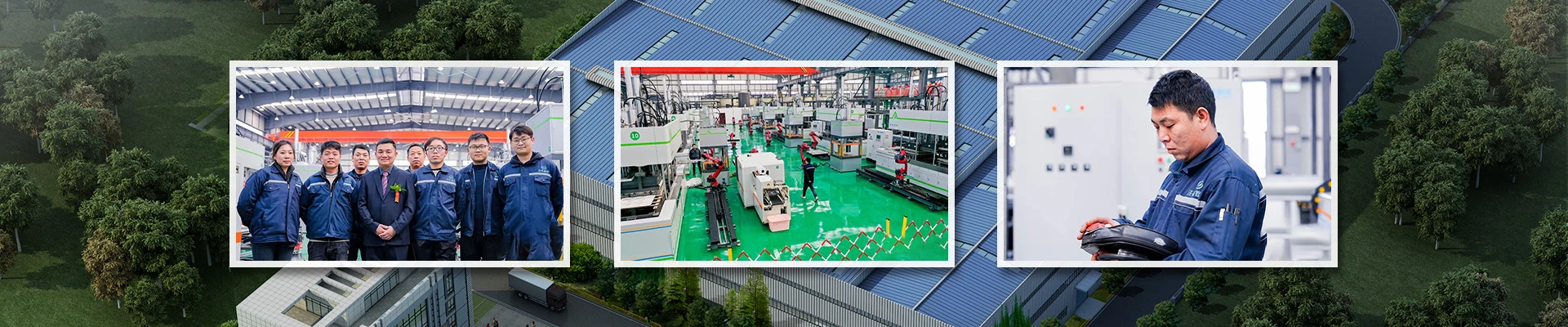
Our Factory


At present, Zhuli Intelligent Control Co.Ltd has four highly intelligent production lines with total 20 sets of intelligent production equipments, the annual production capacity of 10000 tons can be achieved. It includes forming machines, rail robot, cutting machine, inspection and packaging machine, AGV intelligent handling car, etc. There is no direct contact with the human body during the production process to ensure the products safer and healthier.


FAQ


Q: Are bagasse plates safe?

A: Are sugarcane bagasse products sturdy? Yes, sugarcane products are much sturdier than disposable paper or plastic products. They're also leakproof and great for oily or greasy foods. While plastic and foam products are flimsy and can release toxic chemicals, sugarcane products are 100% food safe.

Q: Are bagasse plates sturdy?

A: In addition to being lightweight, bagasse plates are known for their natural sturdiness and durability. They can withstand hot and cold temperatures without warping or losing their shape.

Q: What is bagasse used for?

A: Bagasse is commonly used as a fuel in cogeneration to produce steam and generate electricity. In this process, sugar cane bagasse ash (SCBA) remains as the final waste in the sugar production chain.

Q: Can you microwave bagasse plates?

A: Bagasse looks, feels, and works good
So, you can put this stuff in the freezer, microwave or oven if you like. Bagasse is not only gluten free but also water repellent and grease-proof, so you can use it for whatever hot or cold, oily or saucy dishes you like.

Q: What is the most durable plates?

A: 10 Best Dinnerware Sets of 2024, Tested & Reviewed
Bone china is lightweight and thin, but it is considered the most durable ceramic dinnerware. It is also the most expensive material.

Q: How much does bagasse cost?

A: Please note that overflow bagasse are sold in different prices: bagasse, in pressed square of 60*60*60cm, is 40.49USD/ton, and in the bulk form it is 16.20 to 19.44USD/ton. For pellet making, the bulk bagasse are good enough for us.

Q: How long does bagasse take to decompose?

A: 60-90 days
Bagasse is 100% compostable and it biodegrades in 60-90 days. Through the use of this product, you are contributing to a sustainable planet. Bagasse is a tree-free readily renewable resource and provides a superior alternative to petroleum derived products.

Q: Can bagasse replace plastic?

A: Overall, biodegradable plates made from Bagasse pulp are a promising alternative to traditional plastic plates. They are environmentally friendly, safe for human health, and cost-effective to produce.

Q: What is the shelf life of bagasse?

A: Bagasse products made from non-wood fibers, have no maximum shelf life. Our PLA products should be stored in a cool dry area to achieve maximum life expectancy 2 + years.

Q: Can you bake with bagasse container?

A: Bagasse products can tolerate heat upto 200 F. So, they are oven safe ONLY up to 200 F. We do not recommend that Bagasse/sugarcane products are to be used in ovens with extremely hot temperature.

Q: What are the advantages and disadvantages of bagasse plates?

A: Bagasse plates are compostable
Bagasse plates are the best compostable plates. Plastic plate material is Styrofoam. The main drawback of styrofoam is that it is really difficult to degrades. Plastic plates will take up to 400 years to degrade, it is bad for environmental sustainability.

Q: Why is bagasse better than plastic?

A: Plastic waste is a major contributor to landfill and ocean pollution. It does not biodegrade, and single-use plastic products often end up in the environment, where they can harm wildlife, marine life and ecosystems. Bagasse, on the other hand, is biodegradable and does not contribute to landfill or ocean pollution.

Q: How do you dispose of bagasse plates?

A: Since the products are made from sugar cane, they can be disposed of in the organic waste bin in a sustainable and environmentally friendly manner. If you have a garden, you can also compost the products yourself. Within 8 weeks, the bagasse tableware produces humus, which you can use as a basis for new plants.

Q: Where can we find bagasse?

A: Bagasse is the pulpy material that is left after the sugarcane has been processed and squeezed out of its juice. You can probably see these in markets where local vendors sell fresh sugarcane juice.

Q: Are bagasse plates recyclable?

A: Bagasse plates are the ultimate fast food packaging option for those looking for high quality, recyclable, biodegradable and microwave-friendly materials to provide the best takeaway service.

Q: Is bagasse bad for the environment?

A: Large scale sugarcane bagasse storage in uncovered stockpiles has the potential to result in adverse impacts on the environment and surrounding communities through hazards associated with nuisance dust, groundwater seepage, spontaneous combustion and generation of contaminated leachates.

Q: Is bagasse flammable?

A: Bagasse, the fibrous matter that remains after the extraction process from sugarcane, is still a valuable resource to the Sugar Milling Industry, since it may be used to generate electricity or as a building material. However, it is vulnerable to spontaneous combustion during storage.

Q: What is the best use of bagasse?

A: Bagasse is suitable for both hot and cold products, making it very useful for food packaging and tableware. Additionally, it can be put in the freezer and the microwave. It's water-resistant and suitable for greasy foods and hot applications (up to 120℃).

Q: Is bagasse waterproof?

A: The fibrous nature of bagasse creates a network structure that helps to prevent water from easily seeping through. However, it is important to note that while sugarcane bagasse products exhibit water resistance, they are not completely waterproof.

Q: Is bagasse a bamboo?

A: Bagasse mulch is a byproduct of sugarcane plant stalks after harvest. Like Bagasse, bamboo mulch is formed after juice has been removed from the sugarcane or bamboo stalk, and is a product that would traditionally be thrown out and regarded as waste.

As one of the leading bagasse box manufacturers and suppliers in China, we warmly welcome you to wholesale discount bagasse box in stock here from our factory. All customized products are with high quality and low price.

picnic bagasse plate, Bagasse Soup Or Salad Bowl, Bagasse coffee cup holder